
Running a business requires managing multiple tasks at once, from sales and customer support to marketing and operations. In this busy environment, consistent communication with customers often gets neglected. This is where email automation becomes a powerful tool for businesses.
Email automation allows businesses to send the right message to the right person at the right time — without manual effort. Instead of sending individual emails one by one, automation creates systems that work continuously in the background, improving efficiency and increasing revenue.
What Is Email Automation?
Email automation is the use of software and predefined rules to send emails automatically based on customer actions, behavior, or timelines. These emails are triggered without manual intervention.
Examples of automated emails include:
- Welcome emails after signup
- Follow-up emails after inquiries
- Order confirmation emails
- Abandoned cart reminders
- Customer onboarding sequences
- Re-engagement emails
Email automation ensures consistent communication while saving time and resources.
Why Email Automation Is Important for Businesses
Manual email communication is time-consuming and often inconsistent. Businesses that rely only on manual emails miss opportunities to nurture leads and retain customers.
Email automation is important because it:
- Saves time and effort
- Improves customer experience
- Ensures consistent communication
- Increases conversions and sales
- Reduces human error
Automation allows businesses to focus on growth while communication runs smoothly in the background.
How Email Automation Supports the Customer Journey
Customers interact with businesses at different stages. Email automation helps guide them through the entire journey.
At the awareness stage, automated emails introduce the brand and educate customers.
At the consideration stage, emails provide helpful information and build trust.
At the decision stage, targeted emails encourage action and conversions.
After purchase, automation helps with onboarding, support, and retention.
This structured communication improves customer satisfaction and long-term relationships.
Common Types of Email Automation for Businesses
Businesses can use different types of automation depending on their goals.
Welcome email sequences create a strong first impression and set expectations.
Lead nurturing emails educate prospects over time and prepare them for sales.
Transactional emails provide confirmations and important updates.
Retention emails keep customers engaged and encourage repeat business.
Re-engagement emails reconnect with inactive subscribers.
Each type serves a specific purpose and supports business growth.
Benefits of Email Automation for Sales and Marketing
Email automation strengthens both sales and marketing efforts.
Marketing teams benefit by delivering consistent messaging and targeted campaigns.
Sales teams benefit from better-qualified leads and timely follow-ups.
Key benefits include:
- Higher open and conversion rates
- Personalized communication at scale
- Improved lead nurturing
- Faster response times
- Increased customer lifetime value
Automation creates a smoother experience for both businesses and customers.
Personalization and Automation Work Together
One common misconception is that automated emails feel impersonal. In reality, automation enables personalization at scale.
Automated emails can include:
- Customer names
- Past interactions
- Purchase history
- Location-based content
- Behavior-based recommendations
Personalized automation feels relevant and increases engagement significantly.
Mistakes Businesses Make With Email Automation
Email automation is powerful, but only when used correctly. Many businesses make avoidable mistakes.
Common mistakes include:
- Sending too many automated emails
- Using generic, impersonal messaging
- Not segmenting audiences
- Ignoring mobile optimization
- Failing to monitor performance
Poorly managed automation can frustrate customers instead of helping them.
Email Automation and Customer Trust
Trust is essential for business success. Automated emails must feel helpful, not intrusive.
Trust is built when emails:
- Provide real value
- Respect customer preferences
- Are sent at appropriate times
- Have clear and honest messaging
When done right, automation strengthens relationships rather than damaging them.
Measuring Email Automation Success
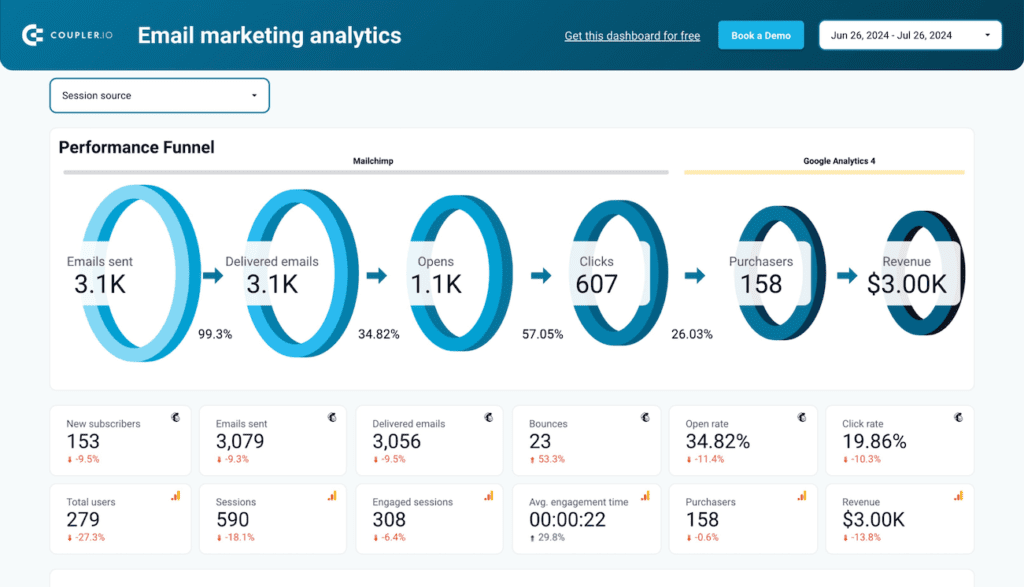
Email automation performance should always be tracked. Data helps businesses improve campaigns and avoid wasted effort.
Important metrics include:
- Open rates
- Click-through rates
- Conversion rates
- Unsubscribe rates
- Revenue generated
Analyzing results allows businesses to refine messaging and timing for better outcomes.
Email Automation for Small and Medium Businesses
Email automation is not just for large corporations. Small and medium businesses benefit greatly from automation because it reduces workload while improving communication.
Benefits for smaller businesses include:
- Limited manual effort
- Cost-effective marketing
- Professional customer experience
- Scalable growth systems
Automation helps small teams operate like larger organizations.
How Email Automation Works With Other Marketing Channels
Email automation becomes even more effective when combined with other digital marketing strategies.
It supports:
- Lead generation from websites
- Social media campaigns
- Paid advertising follow-ups
- Content marketing distribution
Together, these channels create a connected and consistent customer experience.
The Role of a Digital Marketer in Email Automation
Setting up email automation requires strategy, technical setup, and ongoing optimization. A digital marketer helps businesses by:
- Designing automation workflows
- Segmenting audiences
- Writing effective email content
- Integrating tools and platforms
- Monitoring and improving performance
This ensures automation supports business goals rather than becoming overwhelming.
Final Thoughts
Email automation is one of the smartest investments a business can make. It saves time, improves customer communication, and increases revenue without constant manual effort.
In a competitive digital environment, businesses that use automation communicate better, respond faster, and grow more efficiently. When implemented correctly, email automation turns simple emails into powerful business systems that work around the clock.
Digital Marketing Agency
This blog is very explanatory. Welldone!