
Many businesses invest time and money in digital marketing but still struggle to see consistent growth. Campaigns are launched, content is posted, and ads are run, yet results often feel unclear or unpredictable. The problem is not always the marketing effort itself, but the lack of proper analysis. This is where marketing analytics becomes essential.
Marketing analytics helps businesses understand what is working, what is not, and why. Instead of relying on assumptions or intuition, businesses can make decisions based on real data. In a competitive digital environment, data-driven marketing is no longer optional — it is a necessity.
What Is Marketing Analytics?
Marketing analytics is the process of collecting, measuring, and analyzing data from digital marketing activities. This data shows how users interact with your website, ads, emails, and social media channels.
Marketing analytics helps answer important questions such as:
- Where is traffic coming from?
- Which campaigns generate leads or sales?
- How do users behave on the website?
- Which channels deliver the highest return?
By understanding these insights, businesses can improve performance and reduce wasted effort.
Why Marketing Analytics Is Important for Businesses
Without analytics, marketing becomes guesswork. Businesses may spend money on campaigns that look good but do not produce real results.
Marketing analytics is important because it:
- Provides clear performance insights
- Improves return on marketing investment
- Identifies high-performing channels
- Reveals customer behavior patterns
- Supports smarter decision-making
Data allows businesses to focus on strategies that actually contribute to growth.
Understanding Customer Behavior Through Data
One of the biggest advantages of marketing analytics is understanding how customers behave online. Analytics shows how users find your business, what they view, and where they leave.
By analyzing behavior, businesses can:
- Improve website navigation
- Optimize landing pages
- Reduce bounce rates
- Increase conversions
Understanding user behavior helps remove friction and improve the overall customer experience.
Key Metrics Businesses Should Track
Not all data is equally valuable. Businesses should focus on metrics that align with their goals.
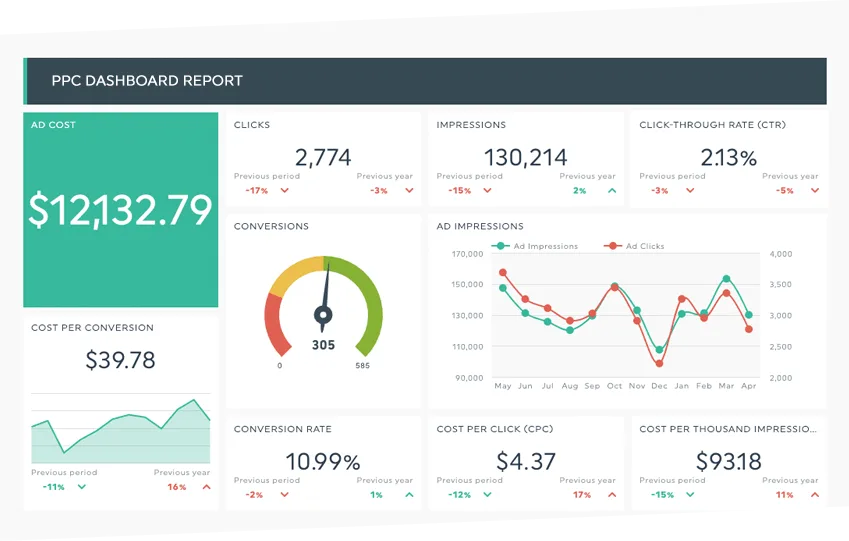
Important marketing analytics metrics include:
- Website traffic sources
- Conversion rates
- Cost per lead
- Customer acquisition cost
- Engagement metrics
- Return on investment
Tracking the right metrics ensures businesses focus on outcomes rather than vanity numbers.
Marketing Analytics and Campaign Performance
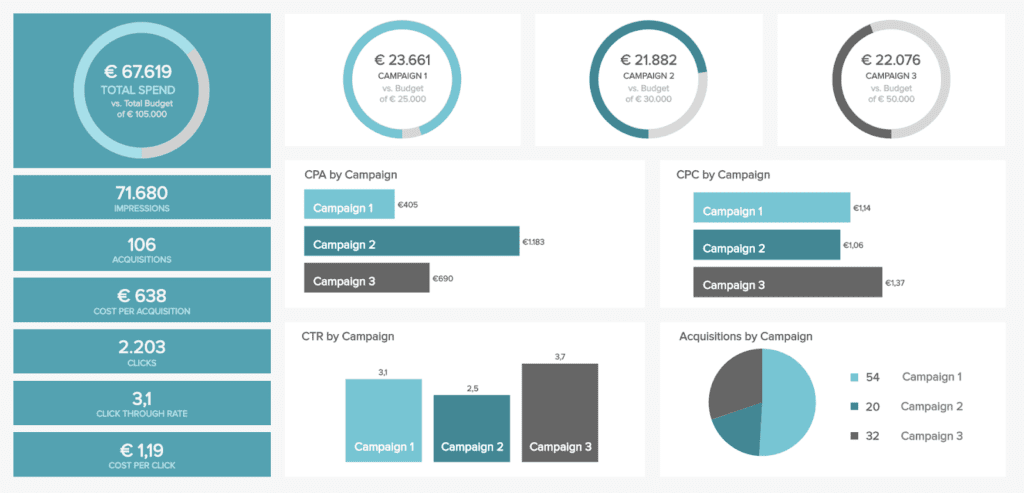
Marketing analytics helps businesses evaluate the success of campaigns across different channels. Whether it is paid advertising, email marketing, or social media, analytics reveals which efforts generate results.
Campaign performance analysis helps businesses:
- Identify successful campaigns
- Pause or improve underperforming ones
- Adjust budgets efficiently
- Improve targeting and messaging
This prevents wasted spending and increases overall effectiveness.
Data-Driven Decision Making in Digital Marketing
Data-driven decision making means using analytics insights to guide marketing strategies instead of relying on assumptions.
For example:
- If data shows one channel converts better, budgets can be shifted there
- If a landing page performs poorly, it can be optimized
- If certain content attracts more leads, similar content can be created
This approach leads to steady improvement and long-term success.
Common Analytics Mistakes Businesses Make
Many businesses collect data but do not use it effectively. Common mistakes include:
- Tracking too many metrics without clear goals
- Ignoring data insights
- Focusing only on traffic instead of conversions
- Not reviewing analytics regularly
- Making changes without proper testing
Analytics is only useful when it leads to action.
How Marketing Analytics Improves Customer Acquisition
Customer acquisition becomes more efficient when analytics is used correctly. Data shows which channels bring qualified leads and which ones attract low-quality traffic.
With analytics, businesses can:
- Target better audiences
- Reduce acquisition costs
- Improve lead quality
- Increase conversion rates
This results in more growth with less wasted effort.
Marketing Analytics for Small and Medium Businesses
Marketing analytics is not only for large companies. Small and medium businesses benefit greatly because it helps them use limited budgets wisely.
Benefits include:
- Better budget allocation
- Clear performance tracking
- Reduced trial-and-error
- Faster improvement cycles
Even simple analytics can make a significant difference for smaller businesses.
How Analytics Supports Long-Term Growth
Short-term marketing success is useful, but long-term growth requires consistency and learning. Marketing analytics provides historical data that helps businesses identify trends and patterns over time.
This allows businesses to:
- Plan future campaigns better
- Predict customer behavior
- Improve retention strategies
- Scale successful efforts
Analytics turns marketing into a continuous improvement process.
Integrating Analytics Across Marketing Channels
Marketing analytics works best when data from multiple channels is analyzed together. Website data, email performance, social engagement, and ad metrics should not exist in isolation.
Integrated analytics helps businesses:
- Understand the full customer journey
- Identify touchpoints that influence conversions
- Improve cross-channel consistency
This creates a more effective and connected marketing strategy.
The Role of a Digital Marketer in Marketing Analytics
Interpreting data correctly requires experience and strategy. A digital marketer helps businesses by:
- Setting up proper tracking systems
- Identifying meaningful metrics
- Analyzing performance trends
- Turning data into actionable insights
- Continuously optimizing campaigns
This ensures analytics leads to real improvements, not just reports.
Final Thoughts
Marketing analytics is the foundation of successful digital marketing. It transforms raw data into valuable insights that guide smarter decisions and better strategies.
Businesses that rely on analytics understand their customers better, spend marketing budgets more efficiently, and grow faster than those that rely on guesswork. In a competitive digital market, data-driven marketing is not just an advantage — it is essential for long-term success.