

Social media has become a powerful business tool, not just a place for entertainment or casual interaction. Today, customers actively use social platforms to discover brands, research products, read reviews, and decide where to spend their money. For businesses that want to grow, ignoring social media marketing is no longer an option.
Social media marketing allows businesses to communicate directly with their audience, build trust over time, and create consistent brand visibility. When used strategically, it supports brand growth, customer engagement, and long-term sales.
What Is Social Media Marketing for Businesses?
Social media marketing for businesses is the use of social platforms to promote products or services, connect with customers, and support business goals. It focuses on building a strong brand presence, increasing awareness, and driving meaningful actions such as inquiries, website visits, or purchases.
Business-focused social media marketing includes:
- Strategic content creation
- Brand communication
- Audience engagement
- Customer relationship building
- Performance measurement
The goal is not popularity, but sustainable business growth.
Why Social Media Marketing Is Important for Businesses
Modern customers expect businesses to be present online. A business with no social media presence often feels outdated or untrustworthy.
Social media marketing is important because it:
- Increases brand visibility
- Builds customer trust
- Improves brand credibility
- Supports marketing campaigns
- Keeps businesses competitive
Social media often becomes the first place customers interact with a brand, making it a critical touchpoint.
How Social Media Builds Brand Awareness
Brand awareness means people recognize and remember your business. Social media helps achieve this through consistent exposure.
When businesses post regularly:
- Their brand stays visible
- Customers become familiar with the business
- Brand recall improves over time
Even when customers are not ready to buy, repeated exposure builds familiarity that influences future decisions.
Building Trust Through Social Media Presence
Trust plays a major role in business success. Customers prefer brands they feel comfortable with and understand.
Social media builds trust by:
- Showing consistency and reliability
- Sharing valuable and educational content
- Responding to customer questions
- Displaying real feedback and experiences
Businesses that communicate clearly and professionally on social media appear more credible.
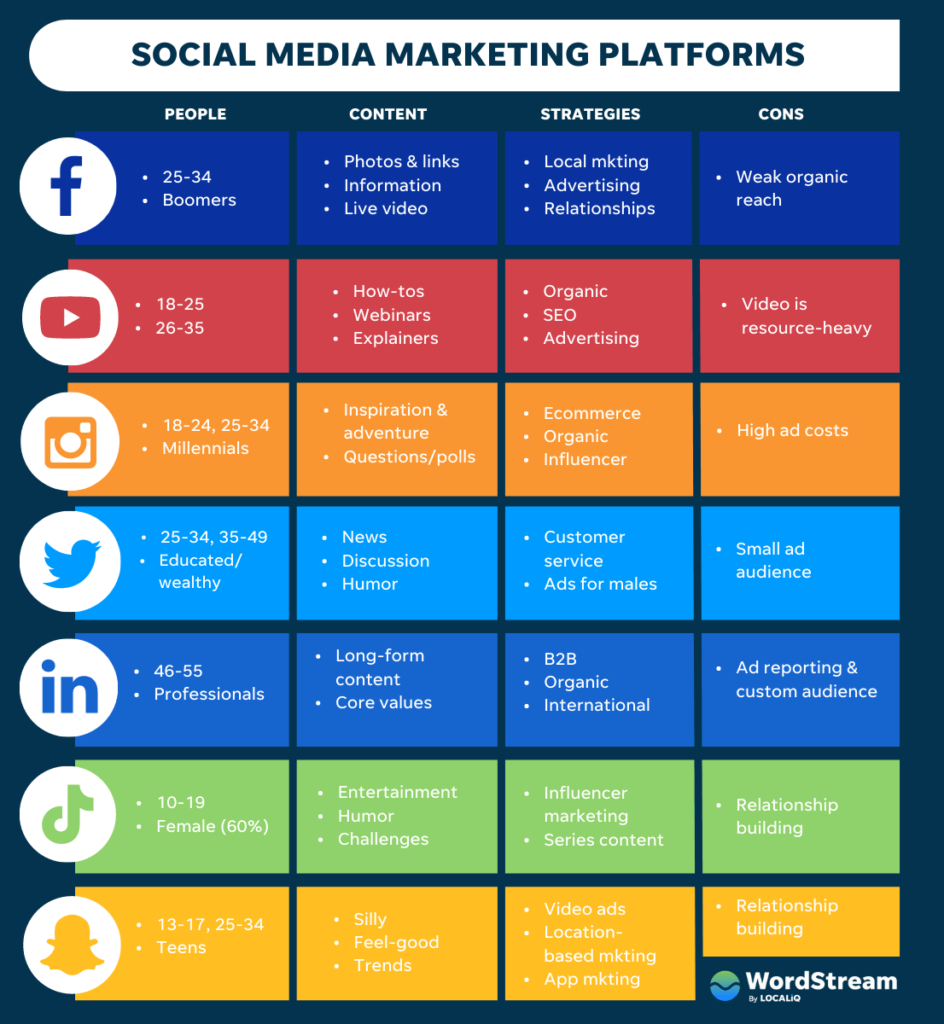
Choosing the Right Social Media Platforms for Business
Not all platforms are suitable for every business. Choosing the right platform depends on your audience and industry.
Examples include:
- Instagram for visually driven brands
- Facebook for local and community-based businesses
- LinkedIn for professional and B2B businesses
A focused approach is more effective than trying to be active everywhere without direction.
Content Strategy for Business Social Media
Content is the foundation of social media marketing. Business content should be purposeful and audience-focused.
Effective business content includes:
- Educational posts
- Product or service explanations
- Industry insights
- Customer testimonials
- Brand updates
Content should inform, build confidence, and guide customers toward action.
Consistency Matters More Than Frequency
Many businesses post randomly or stop posting altogether. Inconsistent activity weakens brand presence.
Consistency helps:
- Build audience trust
- Improve algorithm reach
- Strengthen brand identity
- Keep customers engaged
A realistic and consistent posting schedule is more effective than frequent but irregular posting.
Social Media and Customer Engagement
Social media allows businesses to interact directly with customers. Engagement is not just about likes, but about communication.
Engagement includes:
- Replying to comments
- Responding to messages
- Acknowledging feedback
- Addressing concerns
Active engagement shows customers that the business values them, which improves loyalty.
Supporting Sales Through Social Media Marketing
Social media does not always create instant sales, but it strongly influences buying decisions.
Social media supports sales by:
- Educating customers
- Addressing objections
- Building trust before purchase
- Driving traffic to websites or stores
When customers are ready to buy, they often choose brands they already recognize.
Common Social Media Marketing Mistakes Businesses Make
Many businesses struggle because of avoidable mistakes.
Common issues include:
- Posting without a clear strategy
- Over-promoting without providing value
- Ignoring customer interaction
- Inconsistent branding
- Not tracking performance
These mistakes reduce effectiveness and waste effort.
Measuring Social Media Marketing Success
Success should be measured using meaningful metrics rather than vanity numbers.
Important business-focused metrics include:
- Engagement rate
- Website traffic
- Leads or inquiries
- Conversion actions
- Audience growth quality
Tracking performance helps businesses refine strategies and improve results.
How Social Media Works With Other Marketing Channels
Social media marketing becomes more powerful when combined with other strategies.
It supports:
- Website traffic and conversions
- Content marketing distribution
- Email marketing trust-building
- Paid advertising retargeting
A connected marketing approach produces better overall results.
Why Social Media Marketing Is Cost-Effective for Businesses
Compared to traditional advertising, social media marketing is cost-effective and flexible.
Benefits include:
- Controlled budgets
- Targeted reach
- Scalable campaigns
- Long-term brand value
Even small businesses can compete when strategy is used correctly.
The Role of a Digital Marketer in Business Social Media Marketing
Managing social media requires time, planning, and expertise. A digital marketer helps businesses by:
- Creating clear strategies
- Planning content calendars
- Managing engagement
- Aligning content with business goals
- Analyzing and improving performance
This ensures social media contributes to growth rather than becoming a burden.
Final Thoughts
Social media marketing is a powerful tool for businesses that want to grow visibility, trust, and customer relationships. It is not about chasing trends or posting randomly. It is about clear messaging, consistency, and value.
When done correctly, social media marketing strengthens brand presence, supports sales, and helps businesses stay relevant in a competitive digital world. For businesses that want long-term growth, social media is not optional — it is essential.