
In the digital world, businesses often face one major challenge: waiting too long for results. While organic strategies like SEO and content marketing are powerful, they take time. This is where paid advertising becomes an essential tool for businesses that want faster visibility, leads, and sales.
Paid advertising allows businesses to reach the right audience instantly. When done strategically, it delivers measurable results, controlled budgets, and clear data that helps businesses grow smarter, not just faster.
What Is Paid Advertising?
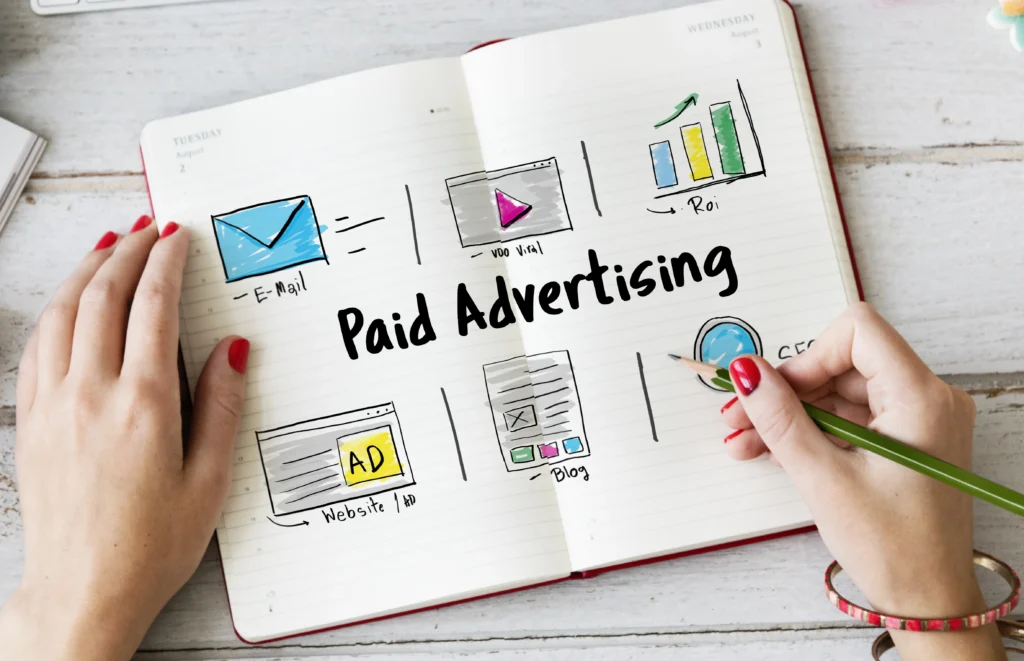
Paid advertising is a digital marketing strategy where businesses pay platforms like search engines or social media networks to show their ads to specific audiences. These ads appear in search results, social media feeds, videos, and websites.
Common types of paid advertising include:
- Search ads (Google Ads)
- Social media ads (Facebook, Instagram, LinkedIn)
- Display ads
- Video ads
- Remarketing ads
The biggest advantage of paid advertising is control. Businesses decide who sees their ads, when they appear, and how much they spend.
Why Paid Advertising Is Important for Businesses
Many businesses struggle because potential customers don’t know they exist. Paid advertising solves this problem immediately by placing your brand in front of people who are actively searching or scrolling.
Paid advertising is important because:
- It delivers instant visibility
- It targets specific audiences
- It provides measurable performance data
- It scales easily based on results
- It supports product launches and promotions
For new businesses especially, paid ads can create momentum while long-term strategies are being built.
How Paid Ads Reach the Right Audience
One of the biggest strengths of paid advertising is targeting. Instead of showing ads to everyone, businesses can focus on people most likely to convert.
Targeting options include:
- Location
- Age and gender
- Interests and behaviors
- Search intent
- Job titles and industries
- Previous website visitors
This precision reduces wasted spend and increases the chances of conversions.
Search Ads vs Social Media Ads
Both search ads and social media ads play different roles in a digital marketing strategy.
Search ads appear when users are actively looking for a solution. These users have high intent and are often ready to take action.
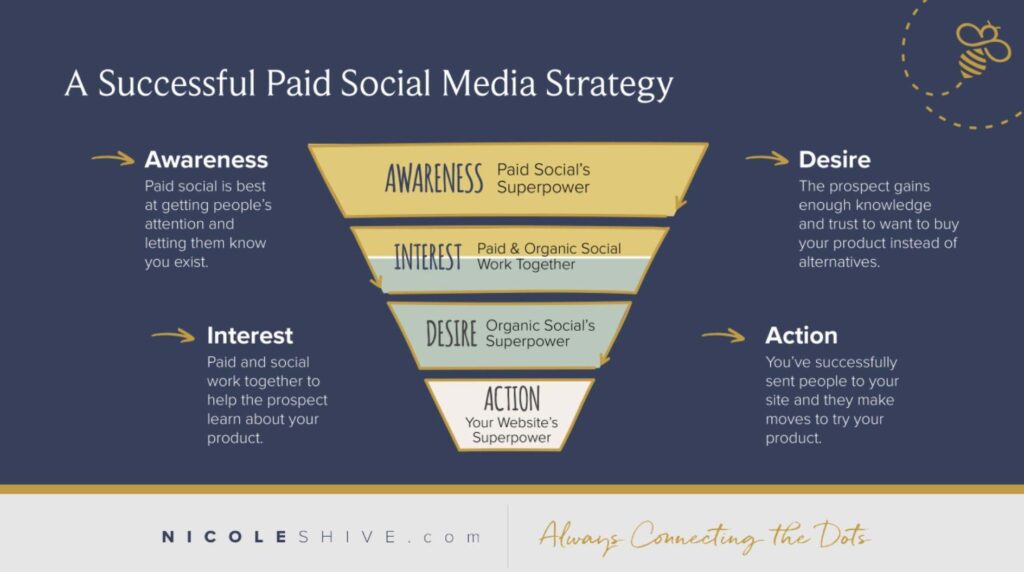
Social media ads appear while users are browsing content. These ads are ideal for brand awareness, engagement, and retargeting.
A balanced strategy often uses both to attract attention and convert interest into action.
Common Paid Advertising Mistakes Businesses Make
Paid advertising can fail if not managed correctly. Many businesses lose money because of avoidable mistakes.
One common mistake is targeting the wrong audience. Showing ads to people who are not interested leads to low conversions.
Another mistake is sending traffic to poorly optimized landing pages. Even the best ads cannot convert if the website experience is weak.
Some businesses also stop campaigns too early. Paid ads need testing, optimization, and data before strong results appear.
Ignoring analytics is another major issue. Without tracking performance, businesses cannot improve results.
What Makes a Paid Ad Campaign Successful
Successful paid advertising is not about spending more money. It is about spending money wisely.
A strong campaign starts with a clear goal, such as lead generation, website traffic, or sales.
Compelling ad copy is essential. Ads should be clear, relevant, and focused on benefits, not just features.
Visuals matter, especially for social media ads. Clean, professional visuals increase attention and engagement.
Landing pages must match the ad message. Consistency builds trust and improves conversion rates.
Ongoing optimization is critical. Testing headlines, visuals, targeting, and budgets improves performance over time.
Paid Advertising for Small Businesses
Many small businesses believe paid advertising is only for large companies. This is not true. Paid ads can be highly effective even with small budgets when managed strategically.
Small businesses benefit because:
- Budgets are fully controlled
- Results are trackable
- Campaigns can be paused or adjusted anytime
- Ads can target local or niche audiences
With proper planning, paid advertising helps small businesses compete with larger brands.
The Role of Data and Analytics in Paid Ads
One of the biggest advantages of paid advertising is access to data. Businesses can see exactly how many people saw an ad, clicked it, and converted.
Key metrics include:
- Click-through rate
- Cost per click
- Conversion rate
- Return on ad spend
This data allows businesses to make informed decisions instead of guessing.
How a Freelance Digital Marketer Improves Paid Advertising Results
Running paid ads without experience can be expensive. A freelance digital marketer helps businesses avoid mistakes and maximize results.
Support includes:
- Campaign planning and setup
- Audience research and targeting
- Ad copy and creative guidance
- Landing page optimization
- Performance tracking and reporting
- Continuous testing and improvement
Instead of wasting budget, businesses get a structured and data-driven approach.
When Paid Advertising Works Best
Paid advertising works best when combined with other digital marketing strategies. SEO, content, email marketing, and social media strengthen long-term growth, while paid ads deliver immediate results.
Together, they create a balanced system that supports both short-term wins and long-term success.
Final Thoughts
Paid advertising is not about quick wins without strategy. When done correctly, it is a powerful growth tool that delivers visibility, leads, and measurable results.
For businesses that want faster growth, controlled budgets, and clear performance insights, paid advertising is one of the most effective digital marketing strategies available.
With the right planning, targeting, and optimization, paid ads turn investment into opportunity and clicks into customers.