
Many businesses believe email marketing is outdated. With social media, ads, and influencers everywhere, email often gets ignored. This is a costly mistake. In reality, email marketing remains one of the most powerful and profitable digital marketing channels available today.
As a freelance digital marketer, I often see businesses chasing trends while overlooking email — the one channel they actually own. When used correctly, email marketing builds relationships, increases conversions, and generates consistent revenue.
What Is Email Marketing?
Email marketing is the process of communicating directly with your audience through emails. These emails can include newsletters, promotional offers, educational content, product updates, or automated sequences.
Unlike social media platforms, where algorithms control who sees your content, email gives you direct access to your audience’s inbox. This makes it one of the most reliable marketing tools.
Why Email Marketing Still Works in 2026
Despite new platforms and technologies, email continues to outperform many other channels. Here’s why:
1. You Own Your Audience
Social media accounts can be restricted or disappear overnight. Email lists belong to you. No algorithm can take that away.
2. High Return on Investment (ROI)
Email marketing consistently delivers one of the highest ROIs in digital marketing. Small businesses can generate strong results with minimal cost.
3. Direct and Personal Communication
Emails feel personal. When done right, they don’t feel like ads — they feel like conversations.
4. Perfect for Long-Term Relationships
Email marketing isn’t just about selling. It’s about staying connected with your audience over time.
How Email Marketing Supports Business Growth
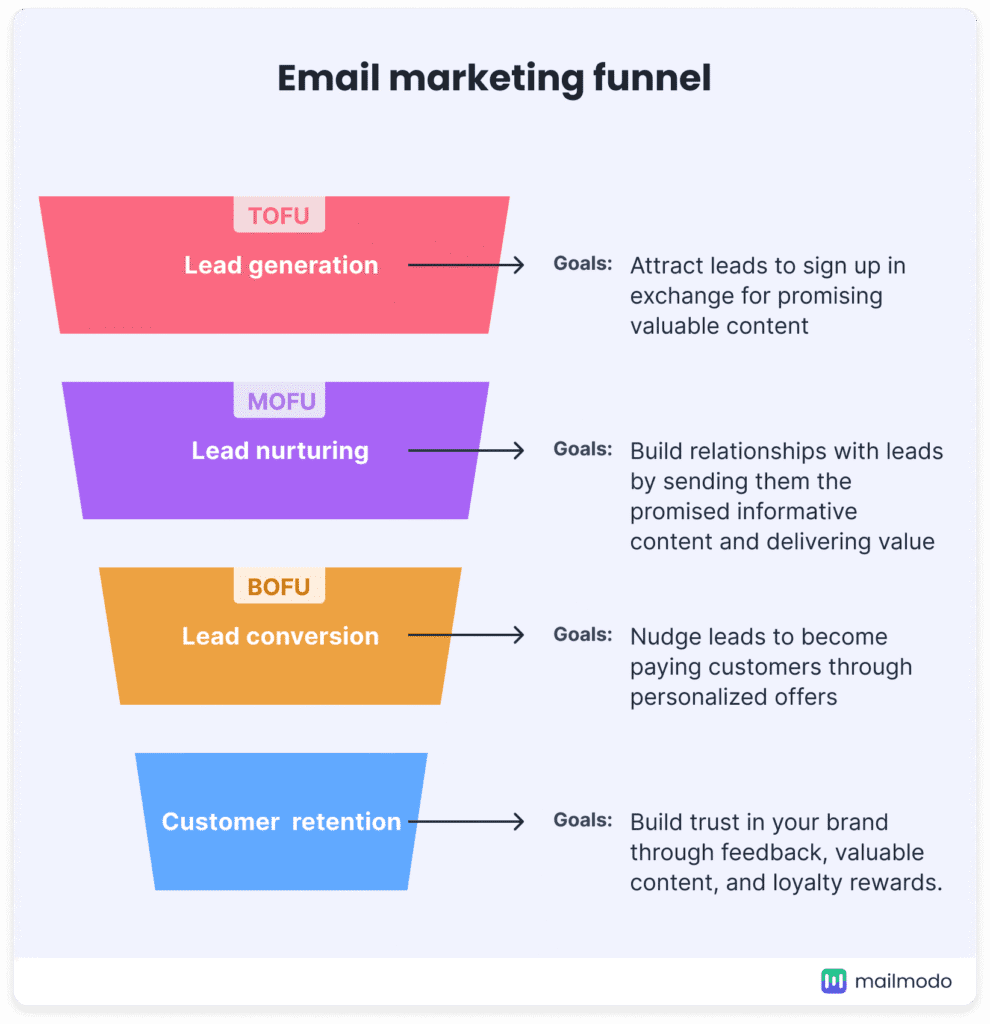
Email marketing plays a key role at every stage of the customer journey.
1. Attracting Leads
Free resources, discounts, or newsletters encourage visitors to join your email list. This turns website traffic into real leads.
2. Nurturing Prospects
Not everyone is ready to buy immediately. Email sequences educate, build trust, and answer questions until prospects are ready to take action.
3. Increasing Sales
Promotions, product launches, and special offers sent via email often convert better than social media posts.
4. Retaining Customers
Follow-up emails, updates, and exclusive content help keep customers engaged and loyal.
Common Email Marketing Mistakes Businesses Make
Email marketing only works when done correctly. Many businesses fail because they make avoidable mistakes.
Sending Too Many Sales Emails
Constant promotions push people away. Value should always come before selling.
Lack of Strategy
Random emails without a plan confuse subscribers and reduce engagement.
Ignoring Personalization
Generic emails feel spammy. Personalized emails perform significantly better.
Poor Design and Formatting
Emails should be easy to read, mobile-friendly, and visually clean.
No Clear Call-to-Action
Every email should guide readers toward one clear next step.
What Makes a High-Converting Email Campaign?
A successful email campaign is built on strategy, not guesswork.
1. A Clear Goal
Each email should have one purpose — educate, promote, or engage.
2. Strong Subject Lines
Subject lines decide whether an email gets opened or ignored. They should be clear, relevant, and curiosity-driven.
3. Valuable Content
Emails should solve problems, share insights, or offer benefits — not just promotions.
4. Simple Design
Clean layouts and short paragraphs improve readability, especially on mobile devices.
5. Clear Call-to-Action (CTA)
Whether it’s booking a call, reading a blog, or making a purchase, the next step must be obvious.
Email Marketing vs Social Media Marketing
Both channels are important, but they serve different purposes.
Social media is great for discovery and engagement.
Email marketing is better for conversion and retention.
Social media content disappears quickly.
Emails stay in inboxes and can be revisited anytime.
A smart digital marketing strategy uses both — but relies on email to convert attention into revenue.
Why Small Businesses Benefit the Most from Email Marketing
Large companies can spend heavily on ads. Small businesses need smarter strategies. Email marketing allows small brands to compete without massive budgets.
Benefits for small businesses include:
- Low cost
- High engagement
- Better customer relationships
- Predictable results
- Scalable growth
With the right setup, even a small email list can generate meaningful revenue.
The Role of a Freelance Digital Marketer in Email Marketing
Email marketing is more than sending messages. It requires planning, automation, testing, and optimization.
A freelance digital marketer helps with:
- Email strategy and planning
- List building and segmentation
- Automated email sequences
- Campaign creation
- Performance tracking and improvement
Instead of guessing what works, businesses get a data-driven approach focused on results.
Final Thoughts
Email marketing is not outdated — it’s underestimated.
In a digital world full of noise, email remains one of the few channels where businesses can communicate directly, personally, and consistently with their audience. When done strategically, email marketing builds trust, increases conversions, and supports long-term growth.